
Understanding Corrosion: The Enemy of Metal
The Chemical Process Behind Rust Formation
In South Africa’s coastal air, a bare steel surface can begin showing rust within weeks. The process is electrochemical, not supernatural. Iron atoms lose electrons at anodic sites while oxygen and moisture complete the circuit at cathodic sites. The result is hydrated ferric oxide, a porous substance that invites further attack.
This cycle of degradation depends on several variables:
- Relative humidity above 60% speeds the reaction.
- Salt particles in the air act as an electrolyte bridge.
- Surface contaminants create localised corrosion cells.
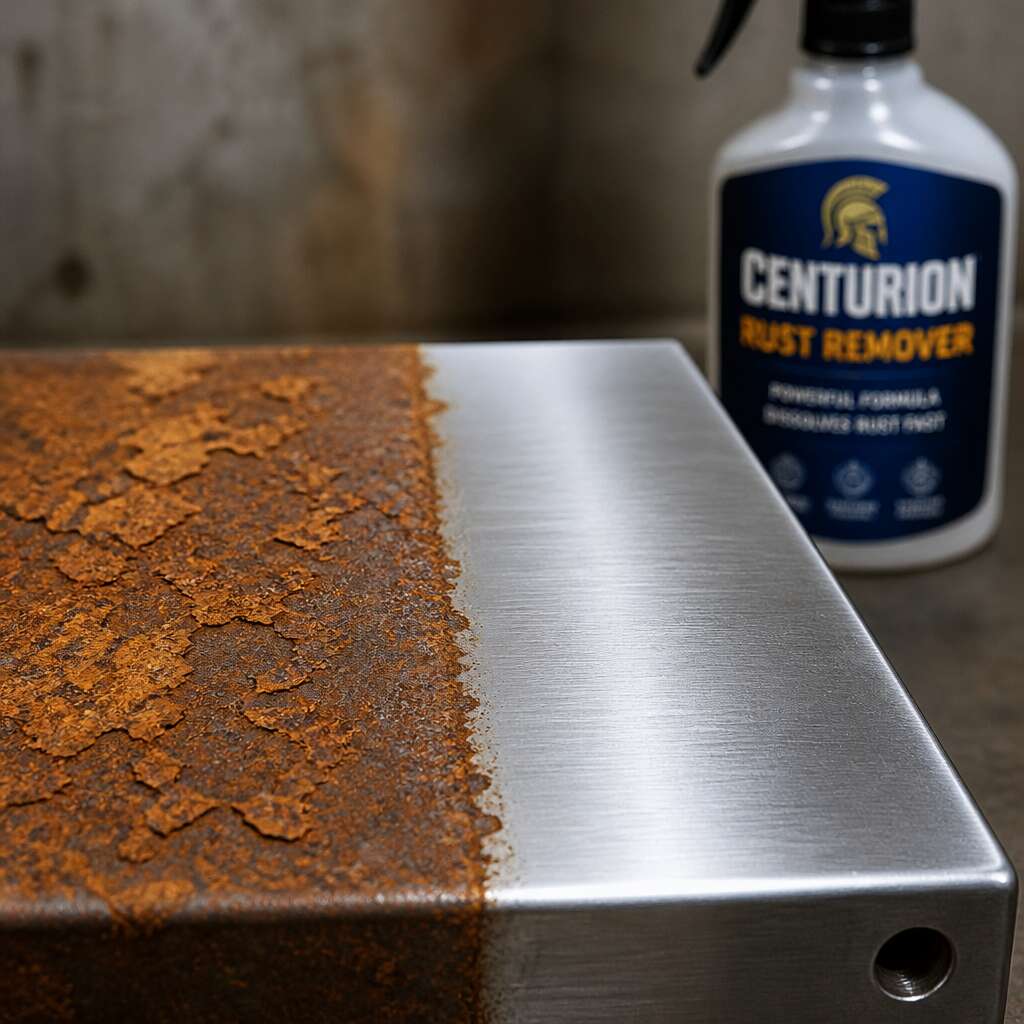
Once rust takes hold, it expands and flakes, exposing fresh metal underneath. That is why removal requires more than scraping. A quality rust remover Centurion works by converting or dissolving the oxide layer, halting the electrochemical reaction at its source.
Why Some Environments Accelerate Corrosion
Corrosion does not behave the same in every location. A steel frame in Johannesburg may last decades, while the same frame in Durban’s humid air could fail in years. This unevenness makes rust costly for property owners and engineers.
Certain environments accelerate the attack on metal. Coastal regions carry chloride-laden moisture inland, which settles on surfaces and encourages oxide growth. Industrial zones release sulfur compounds that mix with rainwater to create acidic conditions.
- Coastal proximity: salt aerosols travel kilometres inland.
- Industrial emissions: sulfur and nitrogen oxides lower the pH of surface moisture.
- High UV exposure: heating and cooling cycles stress protective coatings.
These variables mean a metal component has a different lifespan depending on where it sits. That unpredictability demands attention! A rust remover Centurion tackles localised corrosion and reveals why routine inspection matters. In coastal towns, keeping a rust remover Centurion on hand has become standard practice.
Identifying the Early Signs of Rust Damage
Corrosion is a slow decay. It works beneath paint, behind bolts, in seams where moisture lingers. The enemy of metal is patience! Rust begins as a pale orange mark. By the time it flakes, damage has sunk deep. I have seen steel beams that looked solid until a hammer revealed dust inside a painted shell. Early detection changes everything.
Early signs are easy to overlook:
- Tiny rust-colored specks that do not wipe off.
- Roughness where metal felt smooth.
- Discoloration along weld lines.
A rust remover Centurion acts fast, but it cannot restore what is gone. Knowing the signs is the first defense.
The Hidden Costs of Neglecting Surface Oxidation
Corrosion does not announce itself. It works quietly inside steel, reducing load-bearing strength to a fragile shell. A surface can look intact while the metal beneath loses its integrity. This is the true deceit of oxidation: it hides until the worst moment. In my years inspecting industrial sites, I have opened access panels to find rust where drawings promised solid metal.
The hidden costs of neglecting surface oxidation reach beyond appearance. Structural members weaken. Bolts seize. Paint lifts. A small blemish becomes a costly repair that interrupts production and demands labour. When equipment fails, the entire operation pays.
- Replacing corroded components costs more than treating them early.
- Downtime from rust damage stalls schedules and budgets.
- Safety audits uncover hidden oxidation and flag equipment.
Rust remover Centurion penetrates the corrosion and stops its progress during routine maintenance, well before failure strikes.
What Makes Centurion a Standout Choice
Advanced Chelating Technology Explained
Advanced chelating technology gives Centurion a clear advantage. Many treatments rely on aggressive acids. Centurion uses bonded molecular agents that seize iron ions and hold them in solution. The action is precise. It removes oxidation without disturbing the base metal.
The result is a surface that looks clean because it is actually clean. This is where rust remover Centurion earns its reputation. The chelation process leaves no film, no residue, and no hidden pockets of corrosion.
Consider what this means for practical use:
- The treatment works quickly at room temperature.
- It penetrates tight crevices where brushes cannot reach.
- It neutralizes rust at the source, not just on the surface.
I have seen this chemistry hold up on weathered steel and coastal machinery. The difference is measurable in the condition of the metal.
The Eco-Friendly and Non-Toxic Advantage
There is a reason so many workshops reek of burnt acid. The smell is part of the deal with most rust removers. Centurion breaks that pattern completely. The non-toxic formulation means you can work without the sting in your throat or the worry about what you are tracking home. Honestly, that alone has changed how I work with rusted metal.
This rust remover Centurion works without the harsh fumes and corrosive residues that accompany conventional products. That matters when you are working in a workshop, a garage, or a coastal property where ventilation and runoff are real concerns.
This is what practical care looks like:
- It is safe to handle with standard gloves
- It leaves no toxic waste that requires special disposal
- It works indoors without forcing you to air out the space
Versatility Across Automotive, Marine, and Household Surfaces
One bottle of rust remover Centurion lives in my boot, ready for anything from a boat trailer to a gate hinge. This is no single-surface treatment. Its chelating action adapts to different substrates without harming paint, chrome, or rubber. On automotive body panels, it lifts corrosion without scrubbing away the surrounding finish. For marine equipment, it tackles salt-laden oxidation on anchors, cleats, and engine parts. Around the house, it restores tools, furniture, and metal fixtures.
The versatility stems from a formulation that targets iron oxides specifically, leaving non-ferrous materials untouched. Consider what you might treat:
- Car panels and chassis components
- Boat hulls and trailer frames
- Garden tools and outdoor fittings
That range matters in South Africa, where coastal humidity and inland dust produce different rust patterns. One reliable product covers all of them. That is why rust remover Centurion belongs in a workshop, a garage, and a coastal shed!
Comparison Against Traditional Abrasive Methods
Grinding a rusted bolt with a wire brush is a workout, and not the satisfying kind. It ends with sparks in your hair, paint stripped from nearby surfaces, and a bolt thinner than it was before corrosion got to it. Traditional abrasive methods remove rust by removing everything else too.
rust remover Centurion takes a different route. It dissolves the oxide without attacking the base metal. No elbow grease, no power tools, no face shield. Apply, wait, rinse. The metal stays intact and the rust leaves. That distinction matters for a 1978 Land Cruiser chassis with irreplaceable steel.
- No dust clouds or grit embedding
- No scoring of the underlying metal
- No collateral damage to adjacent components
Abrasive methods leave microscopic crevices where moisture parks overnight. Chelation leaves a clean surface ready for coating. In coastal South Africa, that is the line between a lasting repair and the same rust on next month’s to-do list. rust remover Centurion does the job without a fight.
Step-by-Step Guide to Effective Application
Essential Tools and Safety Equipment You’ll Need
Before you touch a single flake of rust, gather your supplies. A wire brush, a spray bottle, and a bucket of clean water are essential. Do not forget nitrile gloves and safety goggles. Your eyes and skin deserve that courtesy. Now, the application sequence demands patience.
- Remove loose particles with the wire brush.
- Shake the rust remover Centurion bottle gently.
- Spray a generous layer onto the affected area.
- Wait for the solution to work, usually twenty minutes.
Rinse the surface thoroughly and let it dry. The chemical reaction stops once dry. I find that working in shaded spots prevents premature evaporation. This method yields a clean surface ready for priming.
Preparing the Surface for Maximum Penetration
Preparation determines how deeply the solution can work. A greasy surface repels water based products, so the active chemistry never reaches the iron oxide beneath. A solvent degreaser removes that barrier, and a clean water rinse leaves the metal ready for treatment. This single step changes the outcome.
The rust itself also needs attention. A scraper or stiff nylon pad disturbs the top crust without exposing bare metal. The rust remover Centurion requires a porous layer to latch onto. Open pores allow chelation to begin almost immediately, drawing the corrosion out from the base. I have seen this make the difference between a one pass treatment and a frustrating repeat job.
Several surface conditions will interfere:
- Oil or silicone residue from previous treatments
- Loose paint flakes that trap moisture underneath
- White powder left by galvanic corrosion
Temperature plays a role as well. Cold metal slows the reaction considerably. A mild, warm day in Gauteng produces the best results, and the rust remover Centurion works steadily through a properly prepared surface.
Applying the Remover for Optimal Bonding
The application begins with a steady hand and a brush that carries the liquid deep into the metal’s pores. Pour the rust remover Centurion into a shallow tray first. This step prevents contamination of the original container and gives you control over how much product touches the surface.
Work in sections rather than flooding an entire panel. A saturated cloth or a soft bristle brush moves the solution across the corroded area in even strokes. Keep the layer wet for the full dwell time. The chelating agents need constant contact to pull iron oxide away from the base metal.
Vertical surfaces require a simple rhythm:
- Start at the bottom and work upward to limit runs
- Allow a few minutes, then return with another pass
- Watch for the colour shift that signals active bonding
The rust remover Centurion rewards patience. Rushing the process wastes material. Let the chemistry work through the prepared surface.
Neutralizing, Rinsing, and Drying Best Practices
The surface tells you when the bond is complete. Iron oxide lifts away as a dark film, and the metal beneath emerges clean. Neutralizing requires plain water and a fresh cloth, nothing more. Work the residual chemistry off in one direction, then turn the cloth before it becomes saturated. The rust remover Centurion chelates rather than dissolves, so the byproduct stays suspended and wipes away without grinding into the substrate.
Rinsing demands more attention than most people give it. My own habit is a gentle spray, then a second damp cloth before anything dries. Stagnant water leaves deposits, and hard water leaves mineral traces on fresh metal. Trapped moisture causes flash rust, undoing the work the rust remover Centurion just completed. A microfibre towel or low-pressure air moves water out of crevices and bolt holes. The metal should feel dry to the touch within minutes.
Post-Treatment Care to Prolong Rust Resistance
Corrosion rarely returns because the remover failed; it returns because the cleaned metal was left defenceless. The rust remover Centurion strips iron oxide, but it cannot armour the surface. That job belongs to the hours after rinsing, when you seal the metal.
A clean, dry workpiece is vulnerable. I apply a corrosion inhibitor before the metal reacts with the air. A light oil works; a dedicated rust inhibitor works better. I store the piece where humidity stays below 60 percent.
Once the surface is dry:
- Inspect the metal under direct light.
- Apply a thin inhibitor layer with a clean cloth.
- Let the coat cure as the label states.
The rust remover Centurion handles the removal; the inhibitor handles the protection. Check the piece weekly and reapply if needed. Coastal air and industrial zones test any finish quickly. A ten minute routine saves a part that takes hours to replace.
Common Application Errors and How to Avoid Them
Most application errors trace back to one habit: spreading the product too thin. The rust remover Centurion needs contact time, not decorative coverage. I sweep it on in one direction, using a short nap roller. Then I let it sit until the oxidation turns soft. That takes about fifteen minutes in Johannesburg sun, longer in Cape Town winter.
- Apply a generous coat with a brush or roller.
- Work from the bottom upward to stop drips.
- Respect the full dwell time from the label.
The biggest mistake is shaking the bottle before use. That creates bubbles and uneven thickness. The rust remover Centurion performs best when the metal stays above 15 degrees. Another error is applying on a cold surface. The reaction slows and you will wipe it off too early. Stick to the dwell time on the label. My workshop thermometer never lies!
Integrating Rust Removal into Routine Maintenance
Building a Regular Inspection Schedule
In the Highveld’s humid summers, oxidation develops on steel frames and trailer couplings faster than most owners expect. I’ve found that a regular inspection schedule turns rust removal from a desperate rescue into a simple chore.
Every three months, check these areas:
- Welded joints and bolt holes where moisture lingers
- Undercarriages of bakkies and caravans
- Gate hinges and garden tool edges
When you spot discolouration, apply the rust remover Centurion before the corrosion penetrates deeper. This keeps surface rust from becoming structural damage. Ten minutes of inspection saves you from a weekend of grinding and patching.
Pairing Centurion With Protective Sealants and Primers
Corrosion does not pause for your schedule. It spreads through a trailer hitch while the vehicle sits idle, and it deepens under a bakkie’s chassis between services. Rust remover Centurion takes care of the oxidation, but the bare metal after treatment needs its own safeguarding. A primer and sealant close the job properly.
I pair this with scheduled servicing. When the bakkie goes in for its oil change, the undercarriage gets a quick check and touch up. This habit ensures rust gets treated early. A logical sequence guides every pass:
- Treat the affected metal
- Confirm the surface is clean
- Apply primer within the same session
- Finish with a sealant
This turns a reactive task into a standard procedure, so rust stays on the surface rather than threatening the structure.
Storing Tools and Equipment to Prevent Future Oxidation
Your 19-millimetre spanner does not corrode because it hates you. It corrodes because it sits in a damp drawer.
The cure is a habit, not a rescue mission. Fold rust inspection into the same session as the bakkie’s oil change. Ten minutes with a dry rag, a check of every hinge, and rust remover Centurion handles any rust you find. That product strips the oxidation, but storage prevents future oxidation.
Hang tools on a pegboard with gaps. Keep silica gel packs in every drawer. Sweep the floor so moisture has nowhere to hide. The routine makes corrosion predictable and treatable. The oxidation still tries, but your schedule catches it.
Knowing When to Leave Severe Cases to Professionals
Integrating rust removal into a maintenance schedule changes your relationship with equipment. Instead of reacting after corrosion has compromised a surface, treat it as another fluid check. A Saturday morning with the bonnet up and rust remover Centurion on the shelf keeps small blemishes from becoming structural failures.
Most oxidation on a bakkie, trailer, or gate is superficial. Surface rust can be addressed in minutes with rust remover Centurion and patience. But a threshold exists where DIY treatment becomes insufficient. When metal has lost thickness, flaking exposes pitted layers, or corrosion reaches a weld, you have moved beyond chemical treatment.
Here is how I decide:
1. Surface rust that wipes away with a cloth: treat it yourself.
2. Rust that has eaten through the metal or affected load-bearing parts: call a professional.
3. Corrosion near fuel lines, electrical harnesses, or brake components: always professional.
The product is powerful, but it is not a substitute for engineering judgement. Knowing that boundary is the actual skill!
Expert Answers to Performance and Safety Questions
Is Centurion Safe for All Metal Types?
Every year, South African industries lose significant revenue to corrosion. The question of whether a rust remover Centurion is safe for all metal types demands precision rather than assumption.
Centurion’s chelating chemistry works selectively on iron oxides. It does not attack base metals like aluminium, brass, or stainless steel. However, performance varies with alloy composition and surface condition. For instance, high-tensile steel may react differently than cast iron.
- Aluminium requires a shorter contact time.
- Copper alloys need immediate rinsing.
- Powder-coated surfaces should be spot-tested.
Safety also depends on proper dilution and temperature. Using it on galvanised or zinc-rich metals can compromise protective layers. Always verify the specific metal’s compatibility to avoid unintended etching.
Expected Timeframes for Different Levels of Corrosion
Timeframes for rust removal depend on the depth of corrosion, not the strength of the chemistry. A rust remover Centurion clears light surface oxidation in ten to twenty minutes. Moderate pitting takes thirty to sixty minutes. Heavy crusts formed over years in coastal air may require several hours or a second application. Surface preparation and dilution affect every one of these estimates.
Watch the surface while it works. Dark residue indicates chelation is proceeding. Bubbling or heat means you have left it too long, so rinse immediately. These windows assume clean surfaces, correct dilution, and temperatures near 20°C. Thicker alloys tolerate longer contact, while thin aluminium demands constant attention.
- Light rust film: 10 to 20 minutes
- Pitted steel: 30 to 60 minutes
- Thick scale: 2 to 4 hours or repeat treatment
Can Treated Surfaces Be Painted or Coated Directly?
Paint adheres to a clean metal surface, but it peels away from a film of spent chemistry. Can a surface treated with rust remover Centurion be coated directly? Only if the metal is rinsed to neutrality and dried completely. The chelating solution binds to iron oxide and holds it away from the substrate, yet that same liquid leaves a thin residue when allowed to evaporate.
I have watched workshop owners skip the rinse and spray primer onto a still damp piece. The paint bubbles within weeks! Direct coating is possible with rust remover Centurion, but it demands respect for the phrase “clean surface”.
Three conditions govern success:
- The surface pH must match the coating’s requirement
- No visible residue will appear as a glossy stain
- The metal temperature stays moderate, never hot to touch
Aluminium behaves differently from steel under the same conditions.
Storage and Shelf-Life Guidelines for Unopened Containers
Unopened containers of rust remover Centurion endure longer than most workshop consumables, provided they rest in a cool, dry place. The chelating agents remain active for years, yet extreme heat or frost can compromise their stability. I have seen a sealed bottle stored beside a furnace turn cloudy within months. That signals a warning, not failure.
For safety, keep the cap sealed tightly. The liquid does not evaporate quickly, but moisture intrusion can dilute its strength. Here is what experts consistently recommend:
- Store below 25 degrees Celsius
- Keep away from direct sunlight
- Check the seal before each purchase
One question arises often: does rust remover Centurion lose potency after its expiry date? Unopened, it holds its power for roughly two years. After that, test on a sample piece rather than trusting the label.
Environmental Impact and Disposal Recommendations
Experts field the same questions about rust remover Centurion: what happens after use, and can it go down the drain? The answer affects your workshop and the water table. Centurion’s chelating agents bind rust into a stable complex, which changes disposal rules.
Environmental impact depends on neutralisation. Spent solution still contains bound iron particles. Municipal waste systems in South Africa differ, so check local bylaws before pouring anything out.
- Collect used solution in a sealed container
- Ask your municipal waste office for chemical disposal guidance
- Never mix spent solution with acids or bleach
Unused product poses a low hazard when stored correctly. The non-toxic profile means less risk than solvent based alternatives, though responsible handling still applies.
0 Comments