
Understanding the Science of Rust Conversion
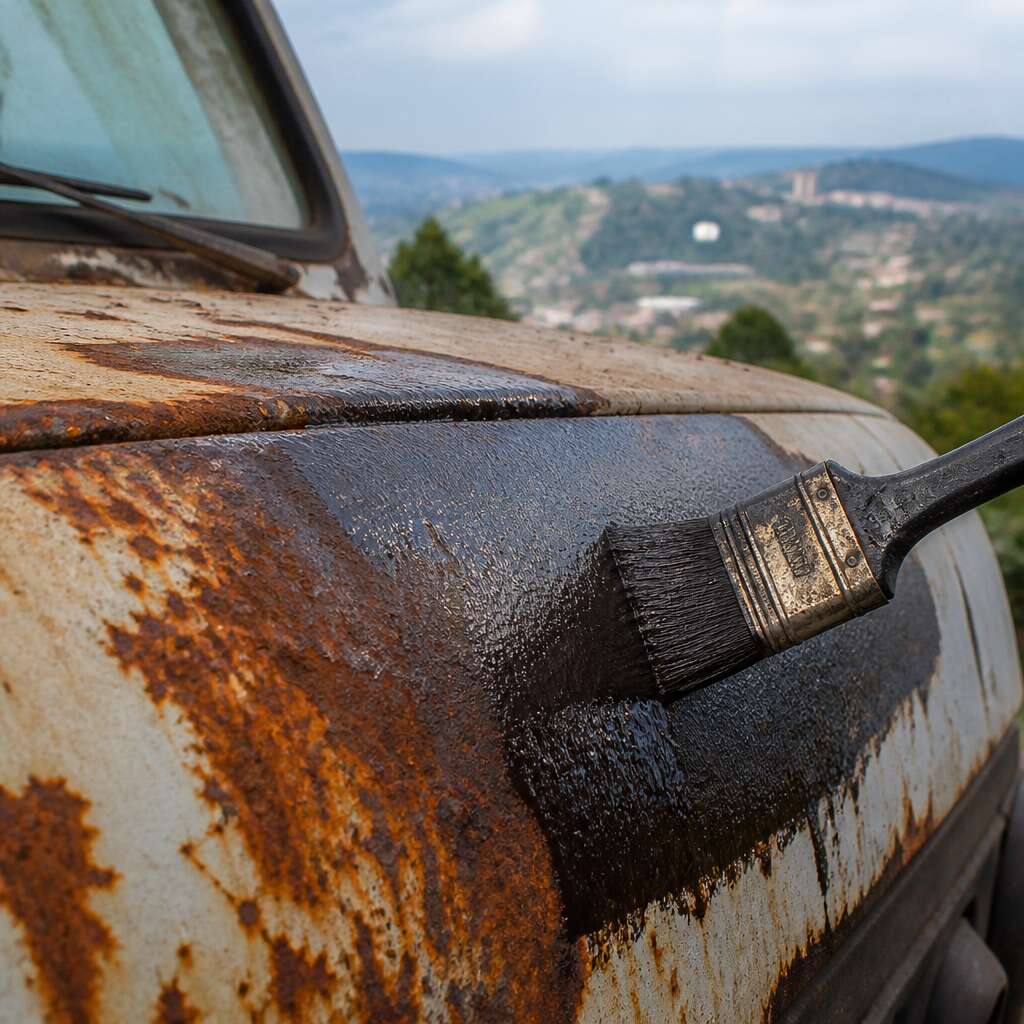
Corrosion costs South Africa billions annually, yet most people treat rust as an eyesore, not a chemical reaction. The science is simple: a rust converter Pietermaritzburg product uses tannic acid to react with iron oxide and form a stable black layer. That layer bonds to the metal, stopping oxidation.
I have watched people scrape and sand rust for decades, only to see it return within months. The secret is patience! You do not need to remove every flake, but the surface must be dry and free of oil. Pietermaritzburg thunderstorms push humidity above 80 percent, accelerating rust. Timing matters more than technique.
A quality converter will:
- Turn reddish rust into dark, inert film.
- Penetrate pits that sanding cannot reach.
- Prepare the surface for paint without a blast-down.
For anyone seeking rust conversion, the lesson is that this chemistry rewards observation. Look at the metal, feel the humidity, let the acid work.
Regional Weather Patterns and Their Effect on Metal Deterioration
Pietermaritzburg’s weather is a paradox. Summer thunderstorms dump heavy rain, while winter mornings turn dry and frosty. That oscillation between moisture and aridity quickly compromises unprotected steel.
High humidity after rains lingers on surfaces, initiating oxidation. Warm afternoons accelerate electrochemical reactions. Acid rainfall, though occasional, strips protective layerings. These forces work together, minute by minute.
- Trapped moisture under shade lingers for days
- Temperature swings cause condensation inside metal crevices
- UV radiation degrades paint, exposing raw iron
I have watched these forces attack gutters and gates within a year. A rust converter Pietermaritzburg resident applies can stop that progression, chemically neutralizing existing corrosion. It works with the local climate, not against it.
Choosing the Right Treatment for Your Metal Surfaces
Rust creeps into metal surfaces faster than most owners realize. In Pietermaritzburg’s humid summers, even a small scratch can turn into a corroded mess within weeks. I have seen farm gates and trailer chassis fail prematurely, not from wear, but from neglect. Choosing the right treatment matters because every surface tells a different story.
Some coatings simply cover the problem, while a proper rust converter Pietermaritzburg chemically neutralizes the oxidation and leaves a stable primer. That distinction saves you from repainting every season. Before you buy, assess the metal’s condition and exposure. Consider these points:
- Surface preparation, from loose rust to bare metal
- Environmental factors like coastal salt or industrial fumes
- The product’s drying time and compatibility with topcoats
Each variable changes the outcome. I have applied converters to mild steel and wrought iron, and the results depend entirely on honesty about the surface state. A rushed job with a cheap product wastes money. In this region, local suppliers understand the weather demands, so ask them directly rather than guessing from a label.
Surface Preparation Techniques for Maximum Adhesion
Every coat of rust converter Pietermaritzburg depends on what lies beneath. A greasy panel or a flaking layer of old paint will betray even the finest formulation.
In my years around workshops, I have learned that preparation outranks product. You must remove loose scale, wipe away oil, and expose the bare metal. Then you can trust the converter to do its job.
- Start with a stiff wire brush to break away loose rust.
- Follow with a clean rag soaked in mineral spirits.
- Let the surface dry completely before you apply anything.
That dry, clean state is your foundation. Without it, the converter will peel and disappoint. Those twenty minutes of prep make all the difference.
Application Methods and Best Practices
Rust converter Pietermaritzburg fails when applied to a dirty or damp surface. I’ve seen it happen too many times. After wire brushing away loose scale, wipe with a solvent and let everything dry completely. That preparation step is non-negotiable.
For application, use a narrow brush on edges and pits to work the product in. A spray works for large panels, but keep away from overspray. Here’s the order that works for me:
- Coat thin, one pass only.
- Wait overnight, then inspect for adhesion.
- Recoat only if bare spots appear.
This method respects the chemical reaction between rust and converter. It also avoids waste and peeling, giving you long-term protection in Pietermaritzburg’s climate. That’s what best practice looks like.
Maintenance Strategies After Treatment
Treating rust is only half the battle. The real work begins once the converter has cured, especially in Pietermaritzburg’s humid climate. Moisture never stops creating problems.
Your maintenance routine determines how long that protection lasts. Here is what I have seen work on local steel structures.
- Inspect treated areas every three months for bare spots or surface blooms.
- Wipe down with a dry cloth after heavy rain to remove trapped moisture.
- Apply a topcoat within 48 hours of the converter drying for maximum adhesion.
Skipping these steps allows the rust to return. A rust converter Pietermaritzburg offers excellent initial coverage, but without consistent upkeep, you will be doing the job again sooner than you think. Small cracks appear fast. Catch them while they are still cosmetic.
0 Comments